Track ChatGPT Referrals & Leads with Cookieless Analytics
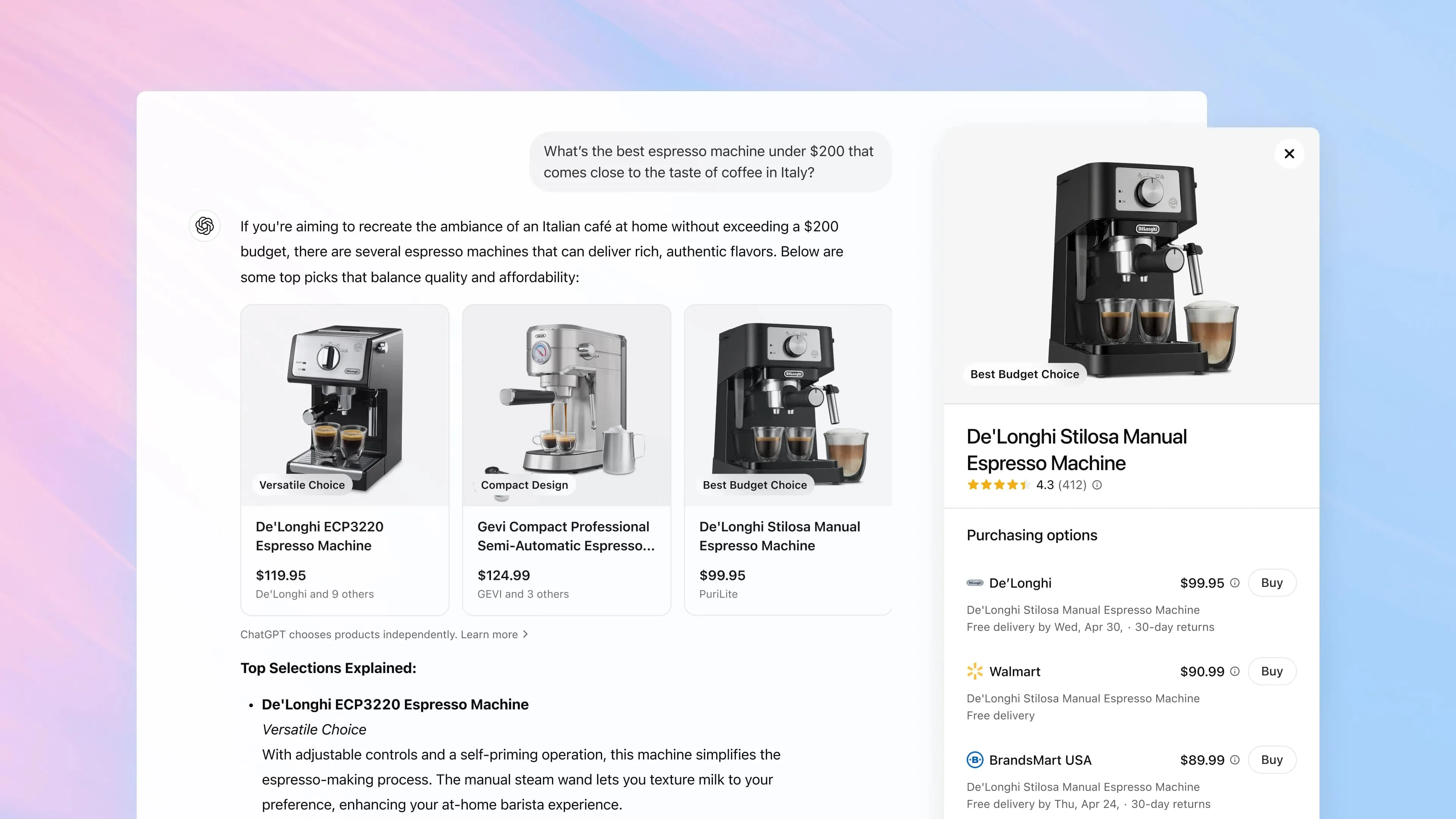
From OpenAI: Help ChatGPT discover your products
Retain the ChatGPT UTM and referrer markers that reach your site, then compare eligible marked sessions with leads and revenue events.
Referral and UTM availability varies by answer surface, browser, redirect, and link format. Verify the incoming URL and referrer in your own traffic.
When ChatGPT links to your site, the landing request may include a ChatGPT referrer, a UTM parameter, both, or neither. Hardal can retain the markers that arrive and connect them to eligible on-site events. It cannot reconstruct a source marker that the browser, answer surface, or redirect never sent.
Here is how you can identify which leads and sales came from ChatGPT, using Hardal's cookieless analytics.
What does utm_source=chatgpt.com mean?
utm_source=chatgpt.com indicates that the link was marked as coming from ChatGPT. Some ChatGPT answer surfaces and links use this value. The HTTP referrer can also show chatgpt.com. Treat either field as observed evidence on that visit, not a marker every ChatGPT click will contain.
In Google Analytics 4's default channel grouping, this traffic usually shows up as chatgpt.com / referral, not as its own "AI" channel, unless you build a custom channel group for it.
Inspect the markers you receive
Examples you may see include:
Landing URL: https://yoursite.com/product?utm_source=chatgpt.com
Alternative value: https://yoursite.com/product?utm_source=chatgpt
Possible referrer: https://chatgpt.com/
Older visits may show chat.openai.com. Save the raw observed value so a domain or parameter change does not get silently folded into direct traffic.
Analytics can miss this traffic when the collection tag is blocked, consent rules prevent it from running, a redirect drops the query string, or the referrer is unavailable. Inspect both the landing URL and HTTP referrer instead of assuming every ChatGPT visit uses the same marker.
How Hardal Captures ChatGPT Referrals
Hardal reads available UTM parameters and referrer values through the configured first-party collection endpoint. Consent and routing rules still decide whether the event is collected and where it can be sent.
{
  "type": "event",
  "payload": {
    "website": "your-website-id",
    "url": "https://yoursite.com/product?utm_source=chatgpt.com",
    "referrer": "https://chatgpt.com/",
    "utm_source": "chatgpt.com",
    "utm_medium": "referral",
    "title": "Your Product Page",
    "hostname": "yoursite.com",
    "device_type": "desktop",
    "browser_name": "Chrome",
    "created_at": "2024-01-15T10:30:00Z"
  },
  "event_name": "page_view"
}
You Get Raw First-Party Data, Not Modeled Attribution
- Observed marker capture: Keep the UTM and referrer values that reach the landing page.
- First-party collection: Send eligible events through the configured Hardal endpoint.
- Conversion analysis: Compare marked sessions with the conversions Hardal received.
- Raw event access: Inspect the source fields instead of relying only on a channel label.
Simple API to get data
In your Hardal Analytics API, you'll see:
- Traffic Source: ChatGPT (from utm_source=chatgpt.com)
- Landing Pages: Which pages ChatGPT users visit most
- Conversions: How many ChatGPT visitors become customers
- Revenue: Direct revenue attribution from ChatGPT referrals
and your custom events and parameters.
Session Merging Success
Here's an example of how our API returns joined ChatGPT referral sessions:
{
  "data": [
    {
      "id": "a7b3f2e8d9c5a1b4e6f8g2h3i5j7k9l1",
      "referral": "chatgpt"
    },
    {
      "id": "b8c4g3f9e0d6b2c5f7h9i3j6k8l0m2n4",
      "referral": "chatgpt"
    },
    {
      "id": "c9d5h4g0f1e7c3d6g8i0j4k7l9m1n3o5",
      "referral": "chatgpt"
    },
    {
      "id": "d0e6i5h1g2f8d4e7h9j1k5l8m0n4p6q8",
      "referral": "chatgpt"
    }
  ]
}
Session reporting can join eligible events that share the configured first-party journey context. Anonymous traffic without a usable marker or approved identifier remains unclassified.
See the AI Crawlers Behind the Referrals
Referral tracking shows what happens after a marked visit reaches your site. It does not show whether ChatGPT's crawlers can access the page, which can affect whether the page is available for search and citation systems.
Two Hardal tools cover that side:
- isvisible.ai: a free, instant check of whether ChatGPT, Claude, Perplexity, and Google AI can access your site. Enter your URL and get an agent-by-agent access map across 13 AI crawlers, including OAI-SearchBot, the crawler that indexes pages for ChatGPT search citations.
- Hardal AI Visibility (beta): reports requests associated with identified crawlers such as GPTBot, ClaudeBot, and OAI-SearchBot, including the pages observed in those requests.
AI Visibility is in beta. Join the waitlist for early access.
Referral tracking and AI Visibility cover different ends of the same funnel: whether AI crawlers can find your pages, whether that turns into a citation, and whether the citation turns into a click and a conversion.
Frequently Asked Questions
How do I know which leads found me from ChatGPT?
When Hardal receives a lead, signup, or purchase in the same eligible journey context as an observed ChatGPT marker, you can filter those conversions by source. Events without that marker or joinable context should remain unattributed rather than being assigned to ChatGPT.
What is ChatGPT's referrer domain?
chatgpt.com is a common current value, while older visits can show chat.openai.com. Referrer availability varies, so inspect the values received by your own site and keep both in the channel rule.
How do I track ChatGPT traffic without cookies?
Hardal can collect available UTM and referrer values through its configured first-party endpoint without using a third-party cookie. Your consent setup may still prevent collection, and some browsers, redirects, or answer surfaces may provide no usable source marker.
Does this work for other AI assistants, not just ChatGPT?
The same inspection method works for Perplexity, Claude, Google AI surfaces, and Copilot when they provide a UTM parameter or referrer. Build channel rules from the values you observe, and leave visits unclassified when no reliable marker arrives.
Can I see which pages on my site ChatGPT is reading?
Yes. Hardal AI Visibility's Pages view shows which URLs each AI crawler reads most, including OAI-SearchBot (ChatGPT's search indexer) and GPTBot, and which of your important pages they're missing. For a free one-time check instead of continuous tracking, run your URL through isvisible.ai.
Why This Matters
Separating known AI referrals from "direct" and unclassified traffic gives you a cleaner baseline. With Hardal's first-party tracking, you can:
- Separate observed ChatGPT referrals from unclassified visits
- Optimize content that ChatGPT frequently references
- Track revenue and leads from AI-driven referrals
- Understand user behavior from ChatGPT and other AI assistant visitors
- Compare crawler access, marked referrals, and received conversions without treating them as one guaranteed funnel